MFA Thesis, Maryland Institute College of Art, 2026
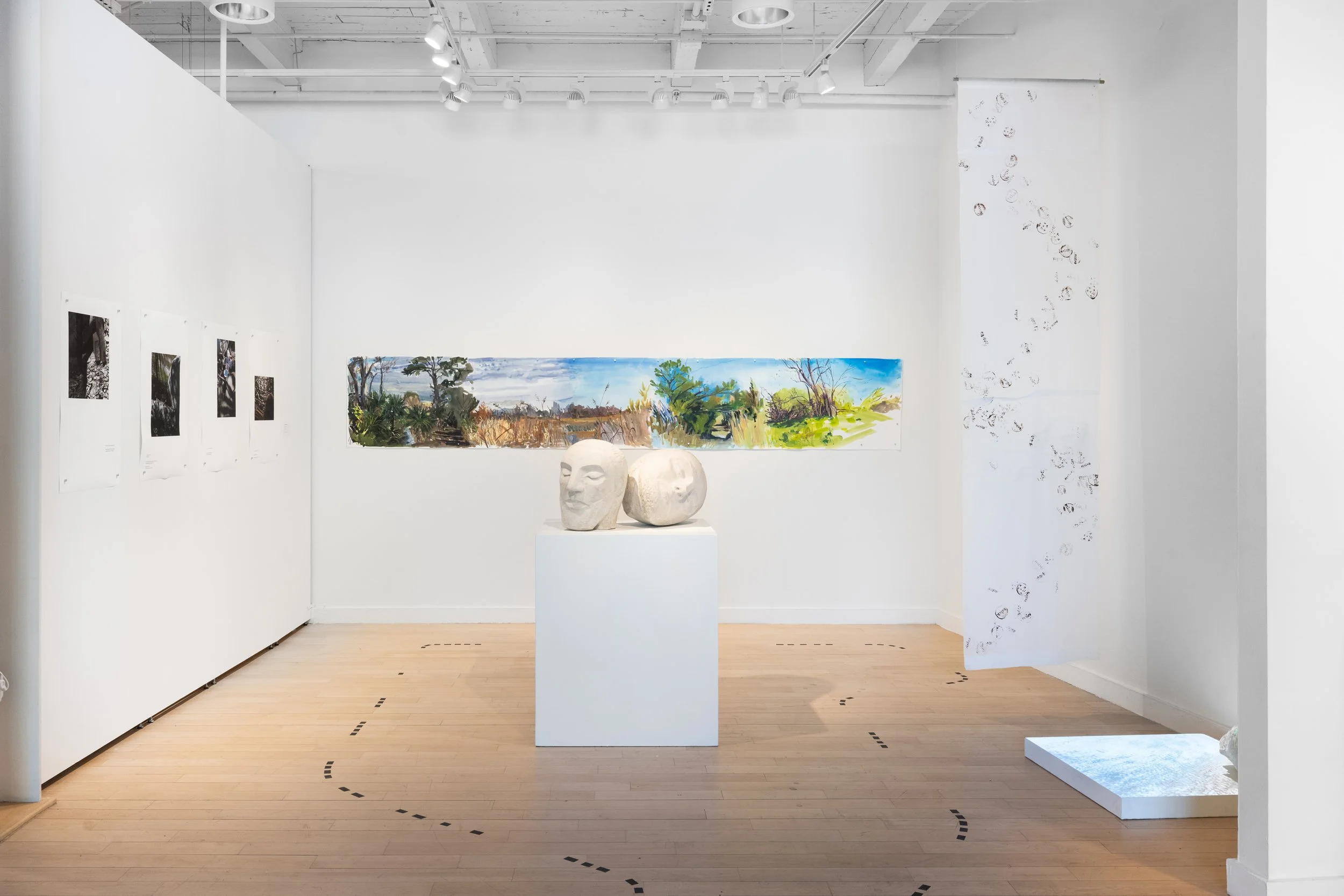
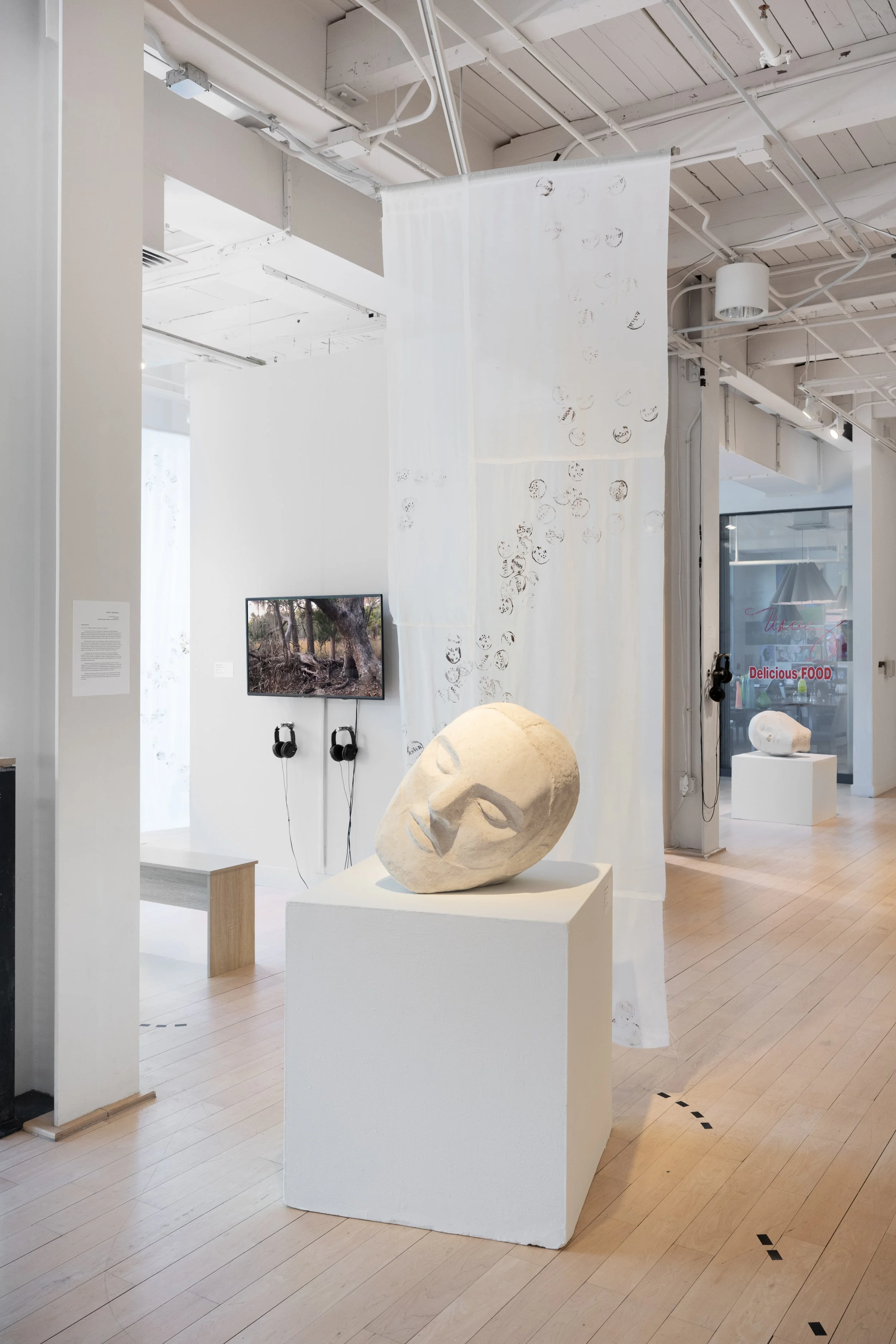
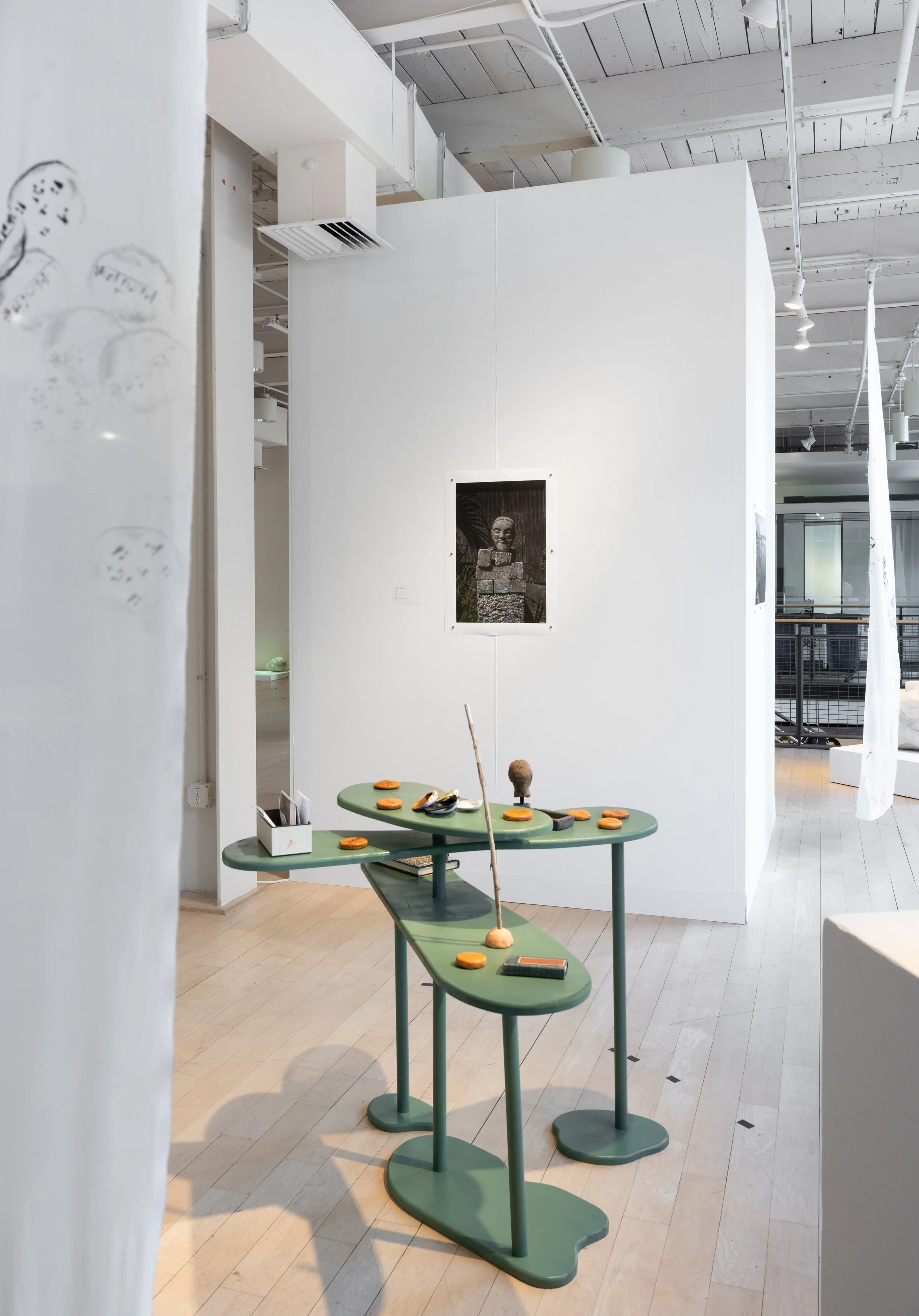
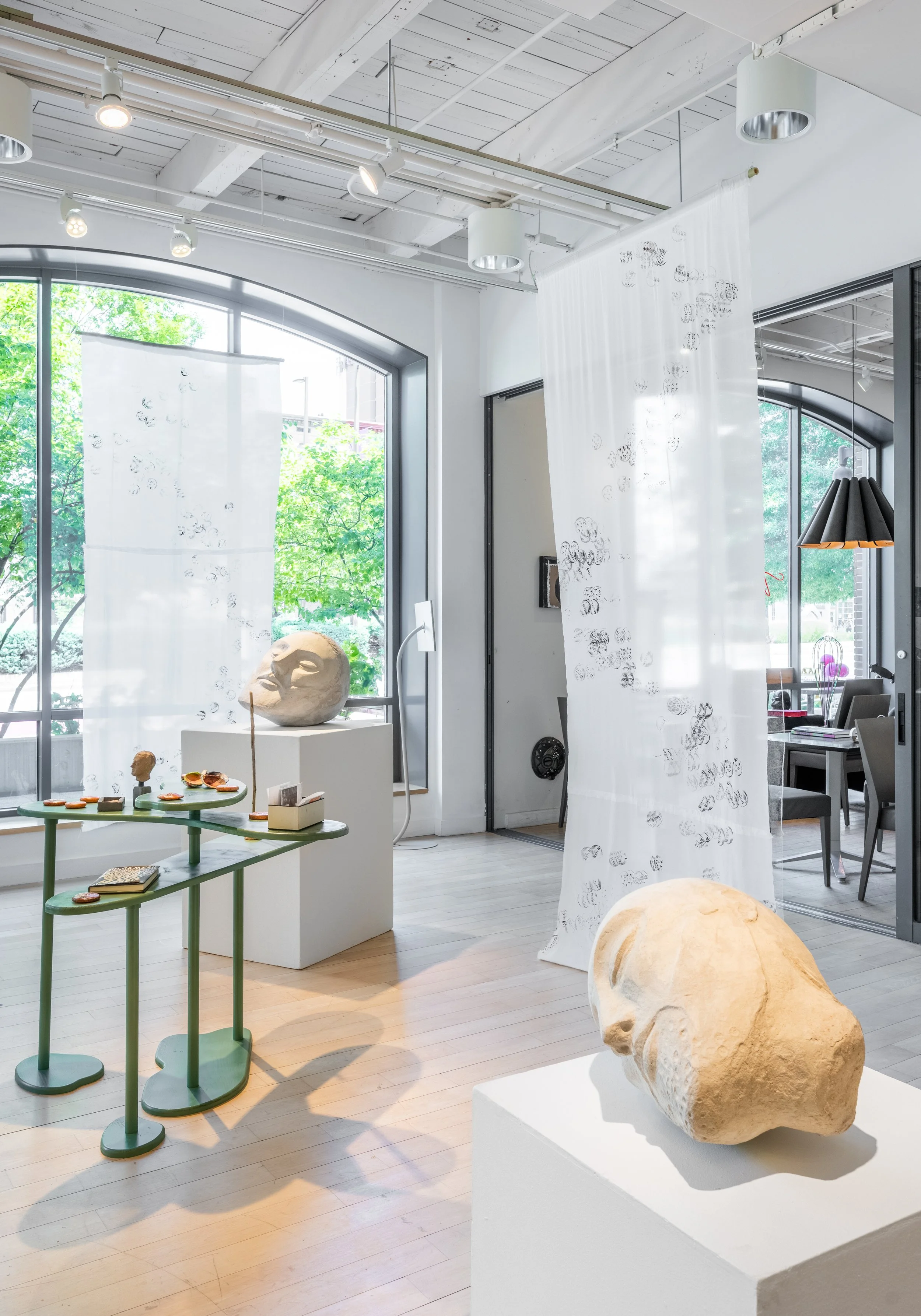
"Throughout the installation, Richardson reveals the tools and traces of her research, presenting the act and temporality of searching as an open-ended process rather than a complete narrative."- Excerpt from the exhibition essay by Emily Shoyer, Bryn Mawr College
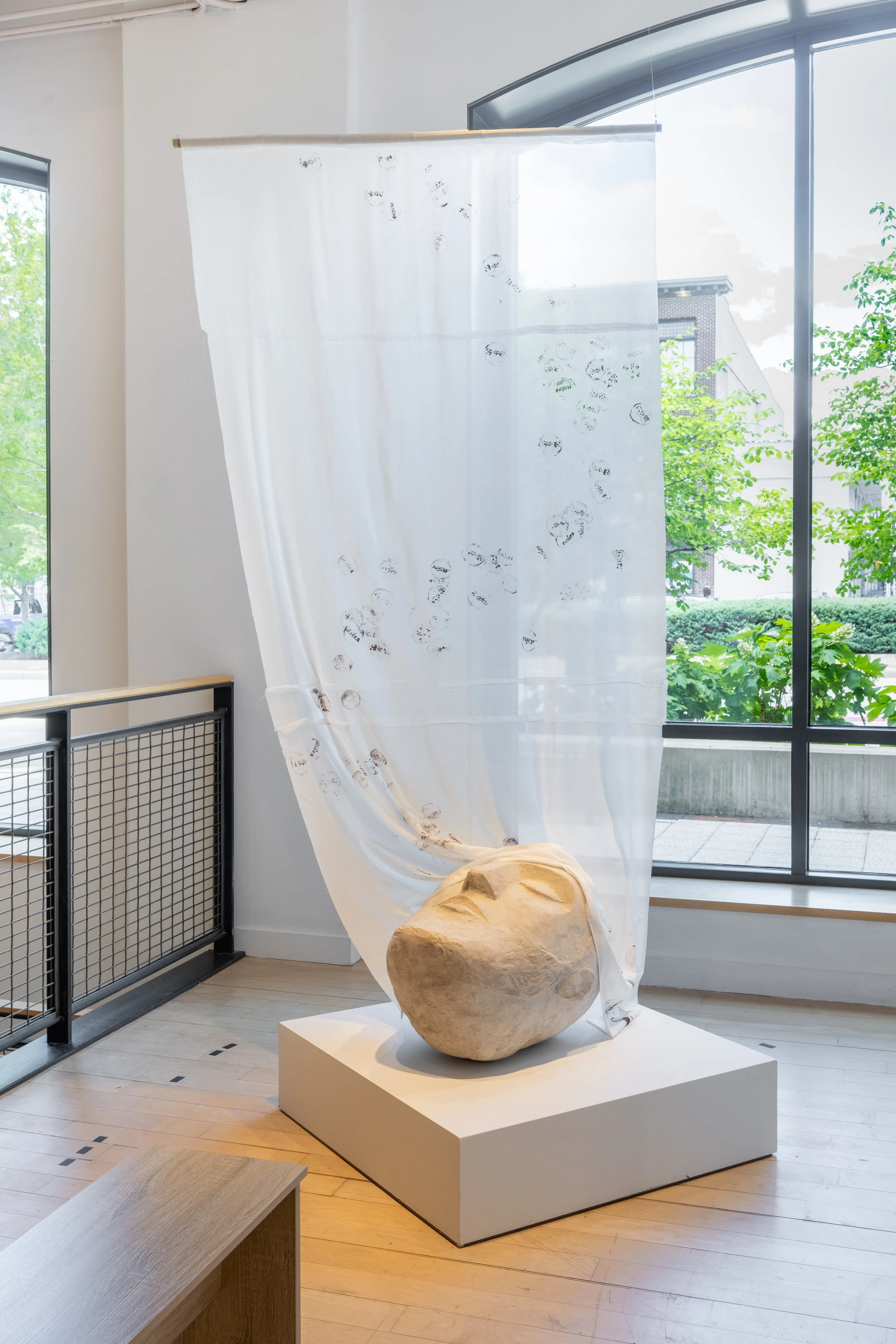
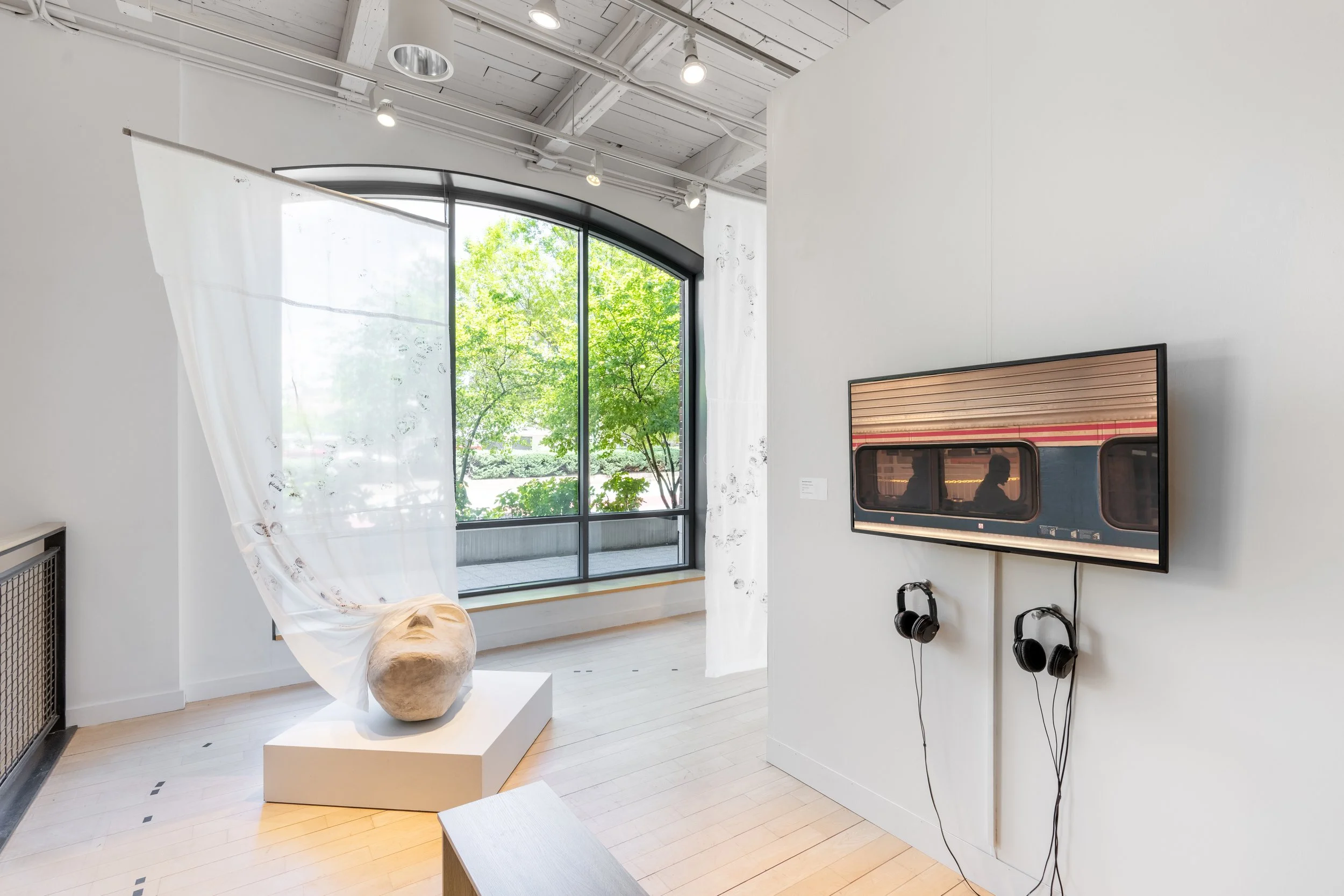
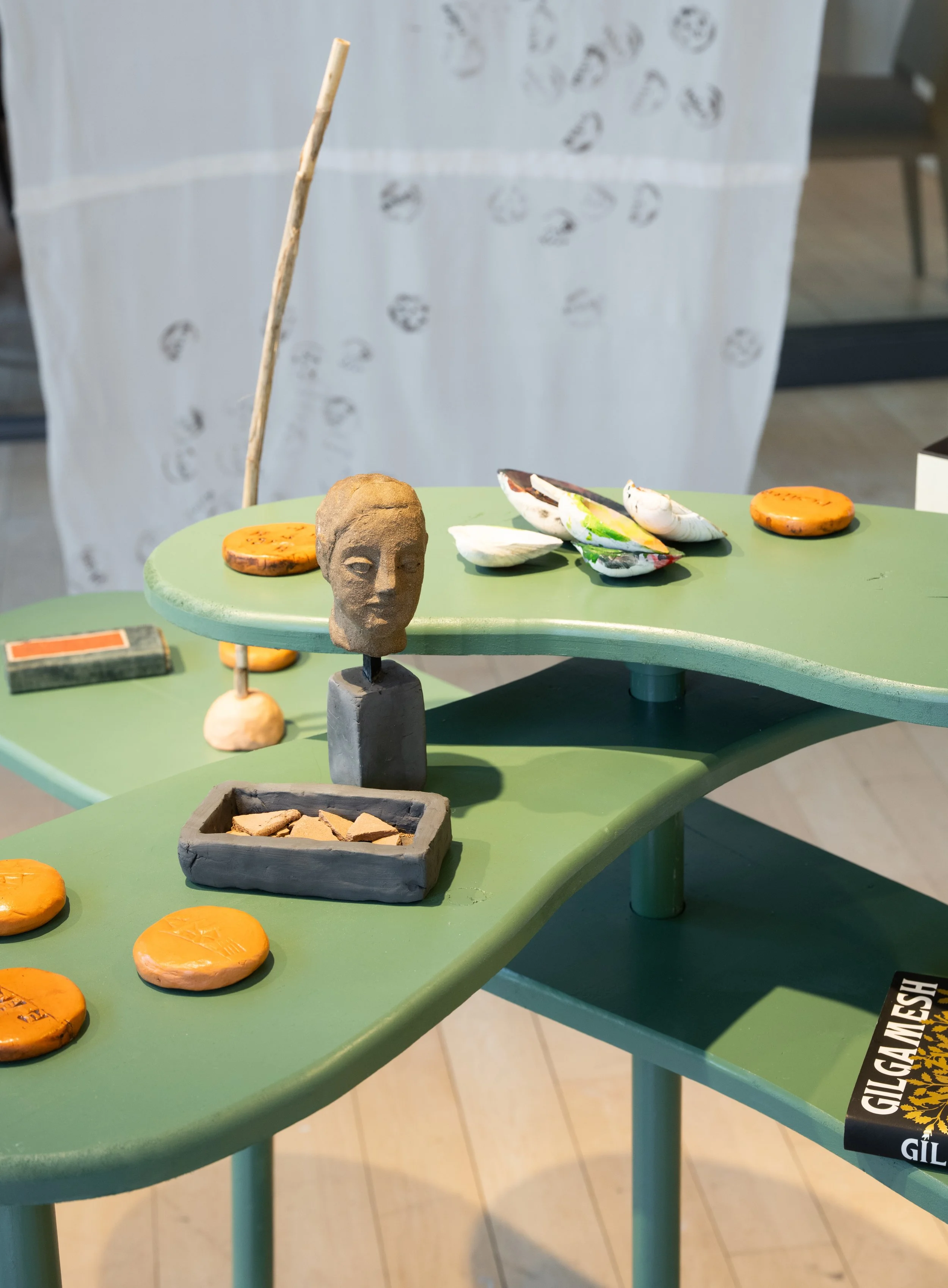
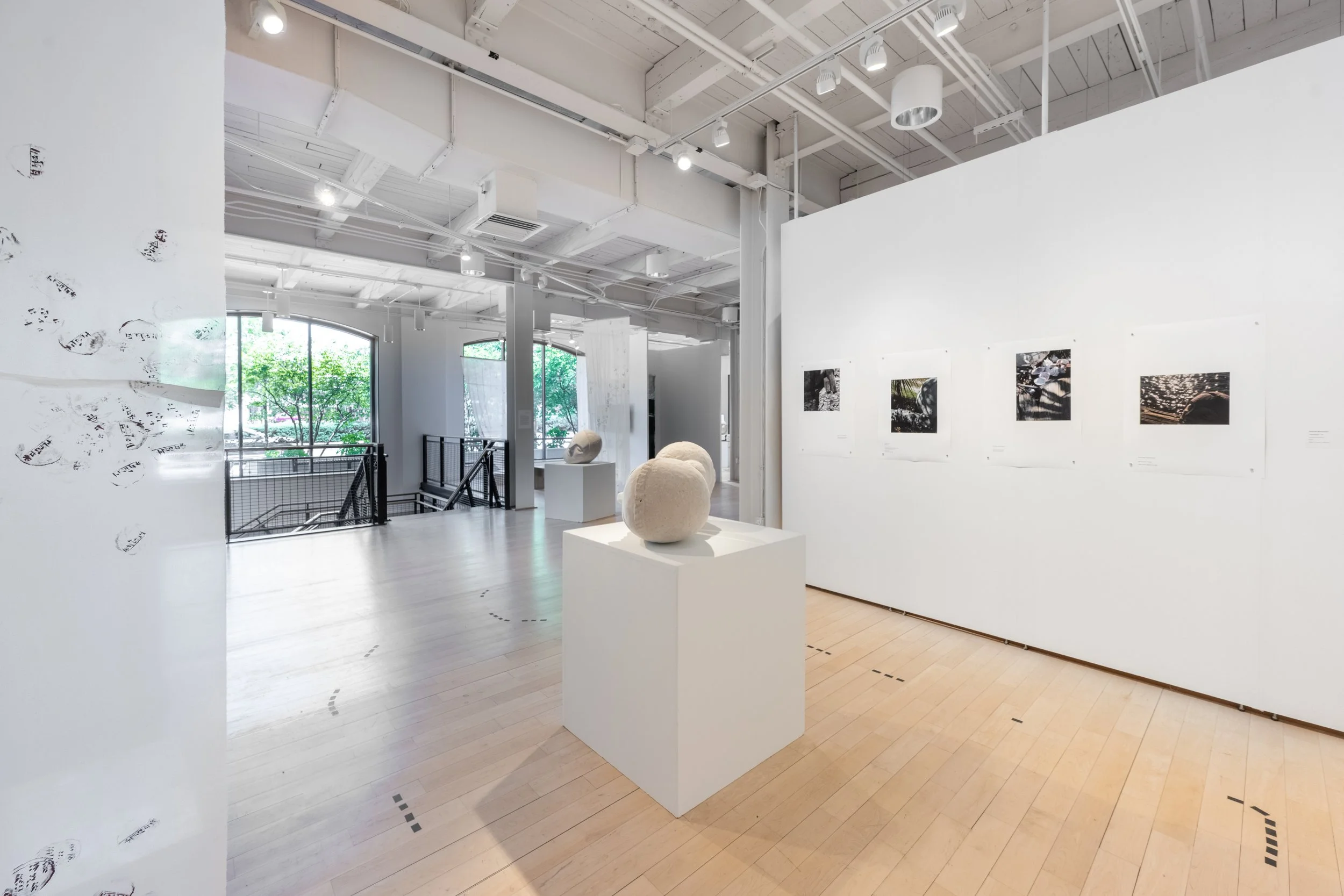
This project uses The Epic of Gilgamesh as a framework for exploring walking, searching, and the transmission of knowledge across time. One of the oldest surviving works of literature, the epic has reached the present through fragments, translations, and repeated acts of preservation. Its survival depends on people continuing to read, copy, translate, and reinterpret it. Like a path formed through repeated passage, the story remains visible because it is still in use.
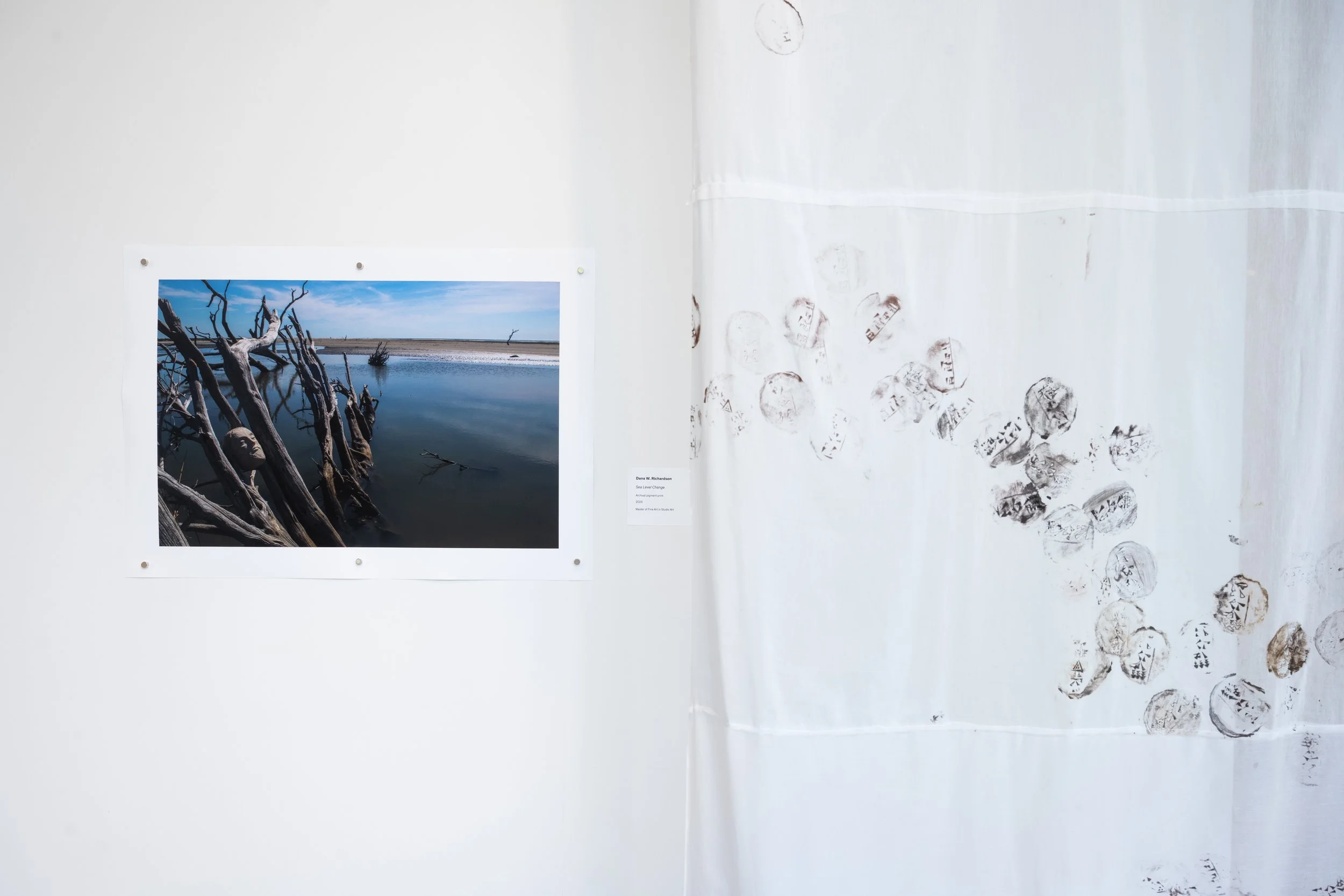
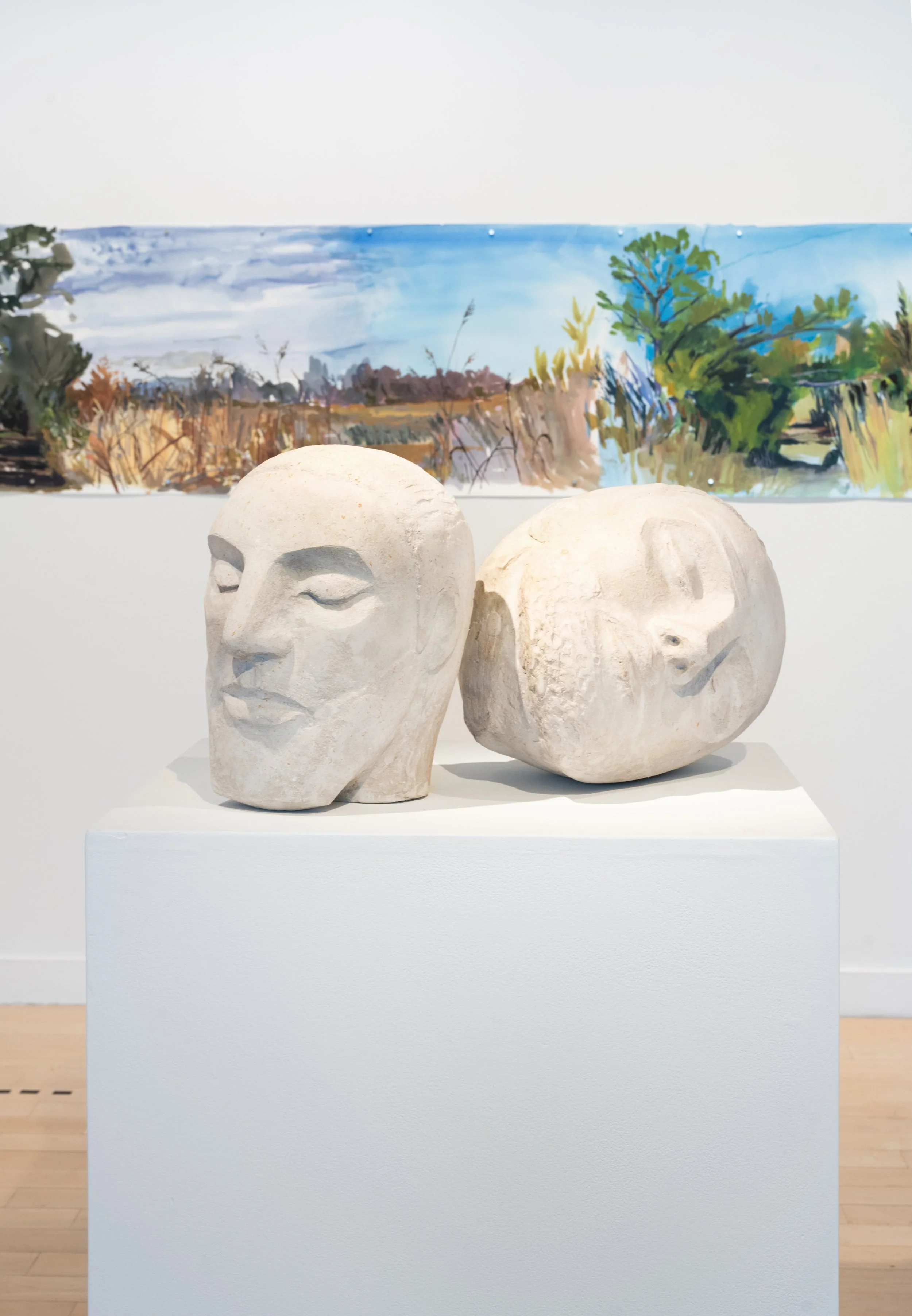
The project draws from The Epic of Gilgamesh’s themes of searching, movement, loss, and the desire to leave something behind. One episode follows Gilgamesh's search for a plant believed to restore youth, but the work is not an illustration of the narrative. Instead, I work from a similar condition of searching. Through a series of walks, I choose a specific plant and move through the landscape until I find it or until the drawing ends. Walking becomes a method of attention. The resulting marks are records of movement, uncertainty, and observation.
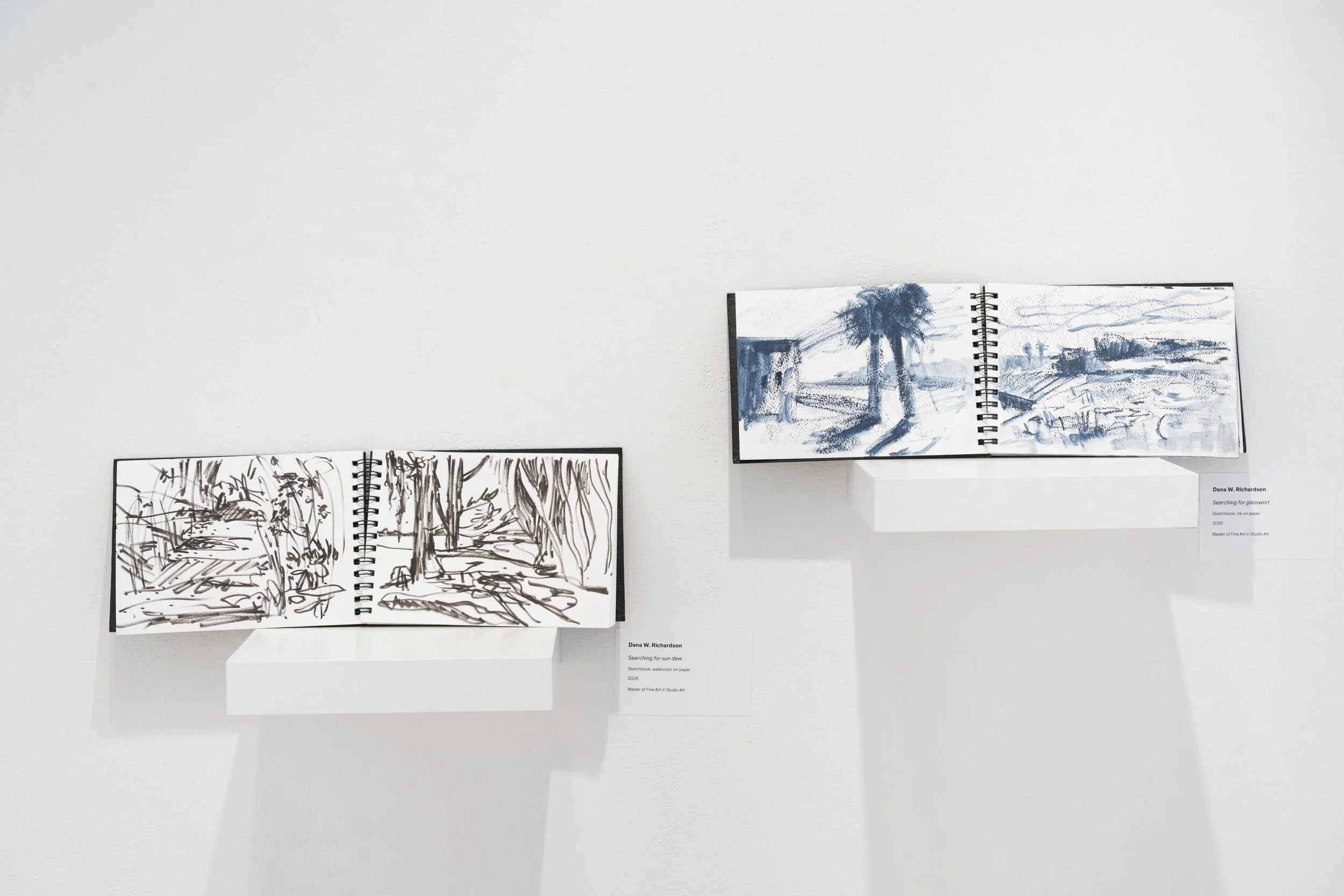
As I walk and draw, the marks develop a rhythmic, linear structure that began to resemble cuneiform writing. This connection led me to study and reproduce Akkadian and Sumerian words from the epic on handmade clay tablets. The tablets, drawings, video, paintings, and sculptural elements in the installation all emerge from this relationship between movement, mark-making, and transmission.
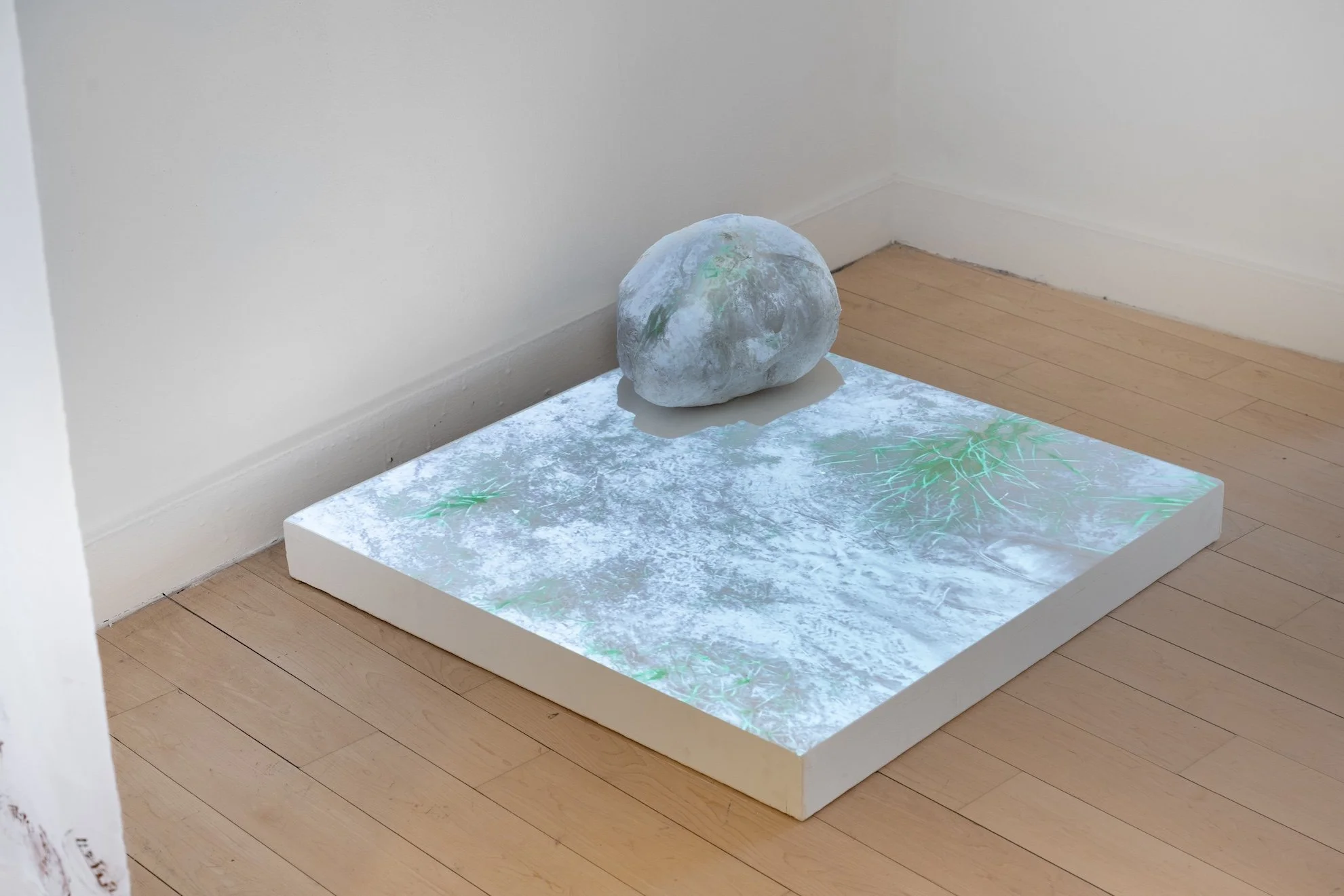
Fragmentation serves as both subject and method throughout the work. The Epic of Gilgamesh survives in damaged tablets, missing passages, and reconstructed texts. Likewise, the installation is assembled from partial views, repeated impressions, interrupted lines, translucent surfaces, and speculative reconstructions. Rather than presenting a complete linear narrative, the work invites viewers to move through fragments and make connections across gaps.
Ultimately, this project considers how knowledge, stories, and traces persist over time. Through walking, drawing, filming, and making objects, I explore the path as both a physical route and a cultural form: a line carried forward through repeated acts of use, attention, and transmission.